
Call us now :08045816426
 Send Inquiry
 Send Inquiry
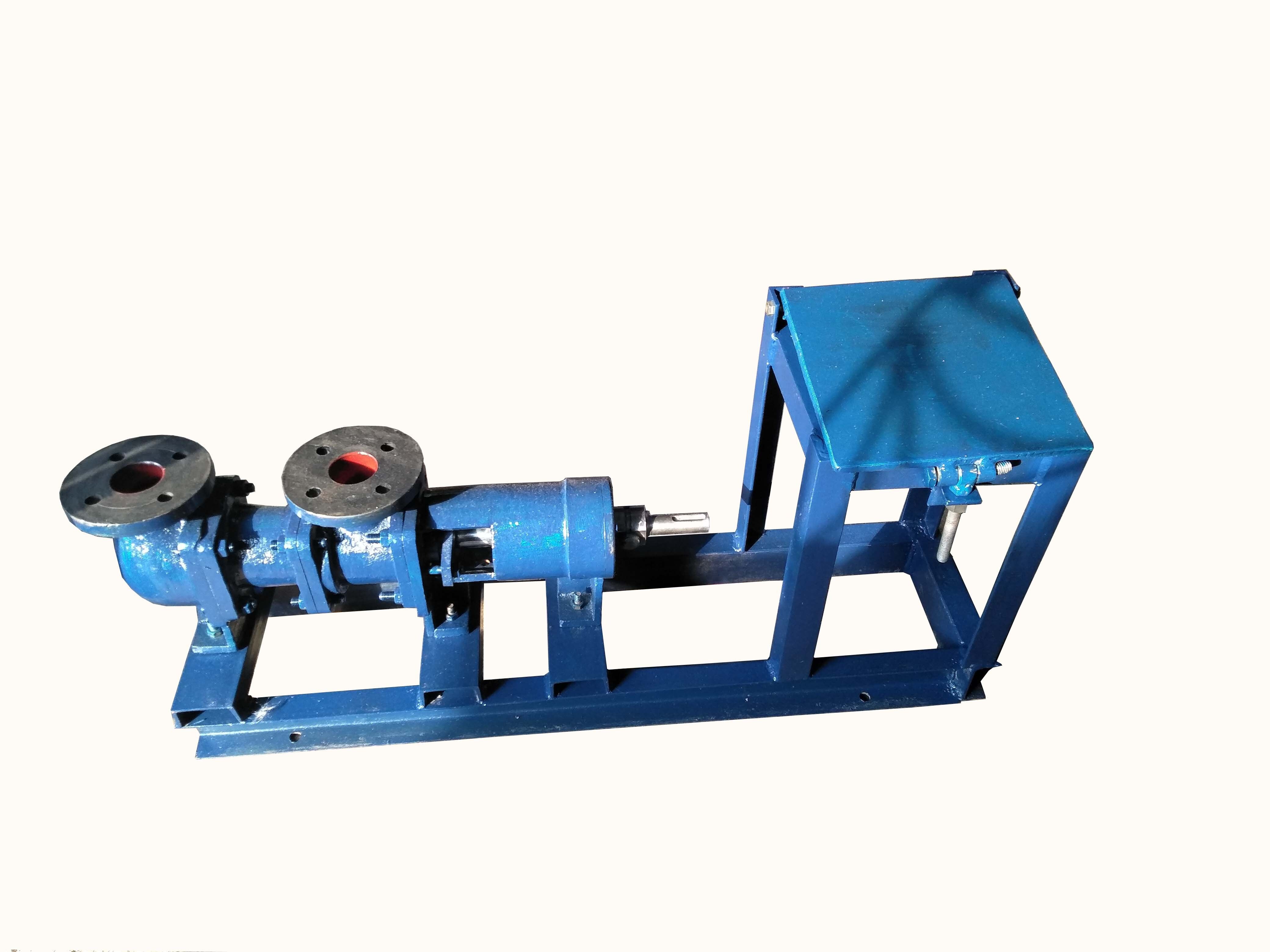
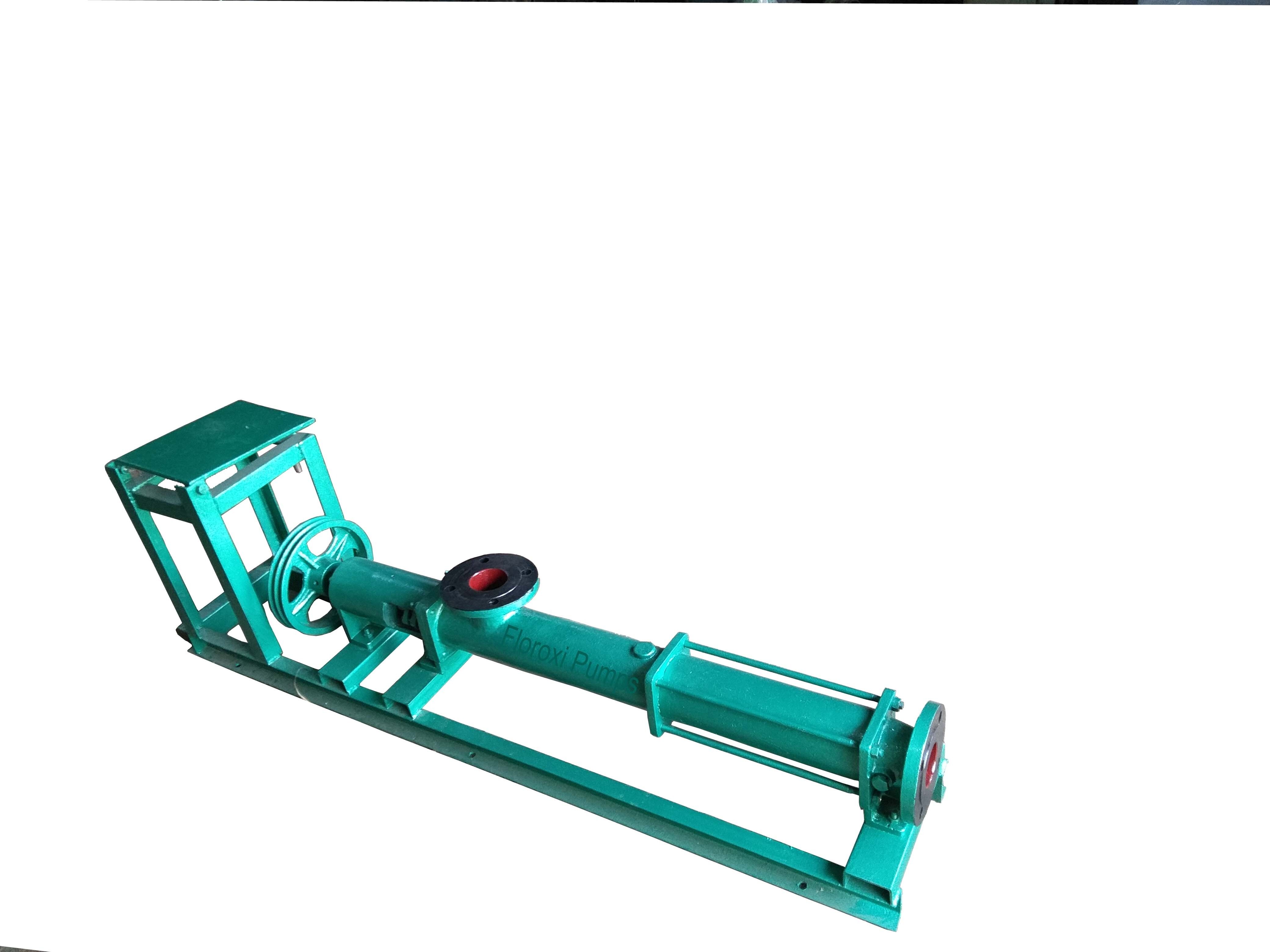
Single Screw Slurry Pump
Price 38000 INR/ Piece
MOQ : 1 Piece
Single Screw Slurry Pump Specification
- Control System
- Manual/Automatic
- Flow Rate
- 20 m/h
- Discharge Pressure
- Max 12 bar
- Mounting Type
- Base Mounted
- Working Temperature
- -10C to 80C
- Head Size
- 60 m
- Speed
- 960-1450 RPM
- Theory
- Single Screw Pump
- Caliber
- DN50
- Noise Level
- 70 dB
- Max Suction
- 7 m
- Voltage
- 220-415V
- Features
- Abrasion-resistant, Corrosion-resistant, Easy Maintenance
- Inlet/Outlet
- 63 mm / 51 mm
- Frequency
- 50/60 Hz
- Material
- Cast Iron / Stainless Steel
- Structure
- Horizontal
- Power
- 5.5 kW
- Standard
- ISO 5199
- Fuel Type
- Electric
- Pressure
- Up to 1.2 MPa
- Usage
- Handling Slurry, Industrial Applications
- Application
- Slurry Transfer, Sewage, Chemical, Food Processing
- Suction Type
- Positive Displacement
- Seals Type
- Mechanical Seal
- Priming
- Self-priming
- Pump Type
- Single Screw Slurry Pump
- Capacity
- Up to 20 m/h
- Solid Handling Size
- Up to 8 mm
- Rotor Type
- Single Helical Rotor
- Stator Material
- Nitrile Rubber
- Lubrication
- Oil Bath
- Surface Treatment
- Anti-Corrosive Coating
- Impeller
- Not Applicable (Progressing Cavity)
- Direction of Rotation
- Clockwise When Viewed from Drive End
- Shaft Material
- Stainless Steel 304
- Protection Class
- IP55
- Drive Type
- Motor Driven
- Coupling
- Flexible Coupling
Single Screw Slurry Pump Trade Information
- Minimum Order Quantity
- 1 Piece
- Supply Ability
- 10 Pieces Per Month
- Delivery Time
- 1 Week
About Single Screw Slurry Pump
Technical Specifications:
|
Capacity (Flow Rate) |
Up to 60000 LPH |
|
Discharge Pressure |
12 Bar, 24 Bar & 36 Bar |
|
Viscosity |
100000CST |
|
Temperature |
150Deg C |
Application Field:
Molasses, Paint, Paper Pulp, Printing Ink,Resins, Sewage Sludge, Vegetable Oil, gum, sludge, yeast, Petroleum Jelly,Acidic and Alkaline Slurry , Alum, Bentonite Slurry , Black Liquor, caseinSlurry , Clay Slurry, Coating Mix, Detergent Slurry, Electroplating Solution,Emulsions, Ferrite Slurry, fuel Oil Sludge, Glue, Grout Mix, soap stock, sugarJuice, Varnish Etc.
Efficient Slurry Handling
Designed to move abrasive and viscous fluids, the Single Screw Slurry Pump excels in industrial environments like sewage treatment, chemical processing, and food manufacturing. Its progressing cavity mechanism ensures consistent flow and reliable solid handling, reducing the risk of clogging and downtime. The combination of nitrile rubber and stainless steel components extends pump lifespan and simplifies repairs.
Robust Construction and Safety
With a stainless steel 304 shaft, cast iron or stainless steel body, and anti-corrosive coating, this pump resists wear and corrosion in harsh operational settings. The IP55 protection class guards against dust and water ingress, while mechanical seals help minimize leakage. Flexible coupling and oil bath lubrication support smooth, low-noise operation, making it a safe choice for continuous use.
Flexible Operation and Easy Maintenance
Capable of running at various speeds (960-1450 RPM), the pump supports both manual and automatic control systems. Its base-mounted, horizontal structure facilitates swift installation and access for regular servicing. Quick maintenance is aided by the abrasion-resistant surfaces and straightforward disassembly, reducing operational interruptions for operators and businesses.
FAQs of Single Screw Slurry Pump:
Q: How does the single screw slurry pump handle solid particles during operation?
A: The pumps progressing cavity design and single helical rotor allow it to transport solids up to 8 mm, minimizing blockages and maintaining consistent slurry flow in industrial applications such as sewage and chemical processing.Q: What are the benefits of using nitrile rubber stator and stainless steel shaft materials?
A: Nitrile rubber stators offer excellent abrasion resistance and chemical compatibility, while stainless steel shafts resist corrosion and enhance mechanical strength. Together, these materials increase service life and reduce maintenance needs.Q: When is it suitable to use this pump for slurry transfer in industrial settings?
A: This pump is ideal for slurry handling where solids are present and fluids require steady flow. Common usage scenarios include sewage transfer, food processing, and chemical industries operating at temperatures from -10C to 80C.Q: Where should the single screw slurry pump be installed for optimal performance?
A: Mounting the pump on a stable base in a horizontal configuration ensures efficient operation. Locations with accessible power supply (220-415V) and appropriate inlet/outlet connections (63 mm / 51 mm) are recommended.Q: What is the process for routine maintenance and lubrication of the pump?
A: Routine maintenance involves checking mechanical seals and inspecting the flexible coupling for wear. Lubrication is performed via the oil bath system, which helps maintain low noise levels (70 dB) and smooth gear motion.Q: How does the pump benefit industrial operations in terms of reliability and cost?
A: Its abrasion-resistant and corrosion-resistant features reduce breakdowns, while self-priming action allows for easy startup. These aspects translate to lower downtime, enhanced safety, and cost-efficient slurry handling for dealers, service providers, and manufacturers.
Tell us about your requirement

Price:
Quantity
Select Unit
- 50
- 100
- 200
- 250
- 500
- 1000+
Additional detail
Mobile number
Email

More Products in Screw Pump Category
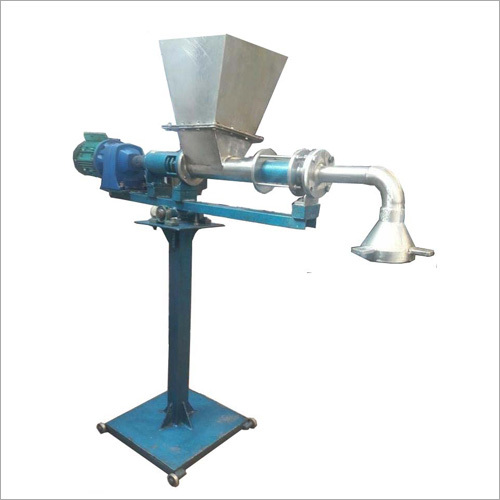
Namkeen Making Pump
Minimum Order Quantity : 1 Piece
Discharge Pressure : 12 bar
Mounting Type : Base Mount
Material : Stainless Steel
Control System : Manual
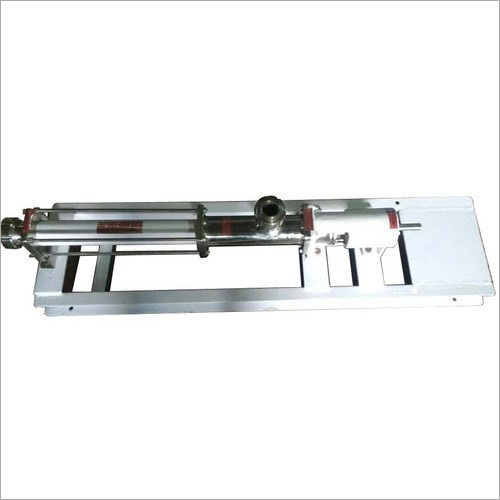
Butter Transfer Pump
Minimum Order Quantity : 1 Piece
Discharge Pressure : Up to 4 bar
Mounting Type : Base Mounted
Material : Stainless Steel 304 / 316
Control System : Manual / Automatic
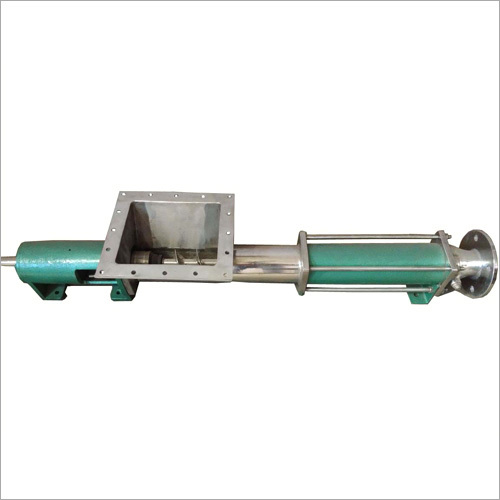
Wide Throught Screw Pump
Minimum Order Quantity : 1 Piece
Discharge Pressure : Up to 6 kg/cm
Mounting Type : Base Mounted
Material : Cast Iron / Stainless Steel
Control System : Manual / Optional Automatic
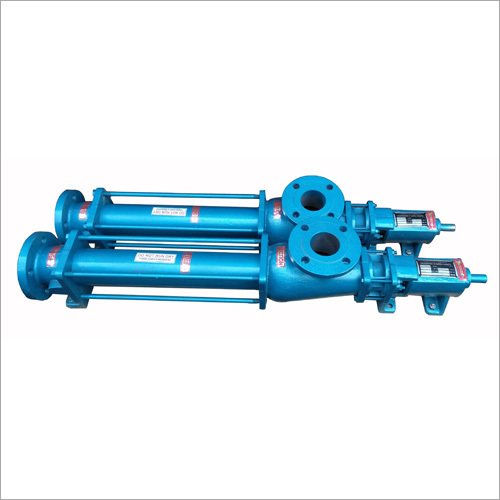

 Send Inquiry


Our Products


2258A, Awas Vikas Hanspuram, Naubasta, Kanpur - 208021, Uttar Pradesh, India

Mr Jaychandra Sharma
(Proprietor)
Mobile :08045816426
 Send Inquiry
 Send SMS
Developed and Managed by Infocom Network Private Limited.
 English
 Spanish
 French
 German
 Italian
 Chinese (Simplified)
 Japanese
 Korean
 Arabic
 Portuguese