Call us now :08071792881
 Send Inquiry
 Send Inquiry
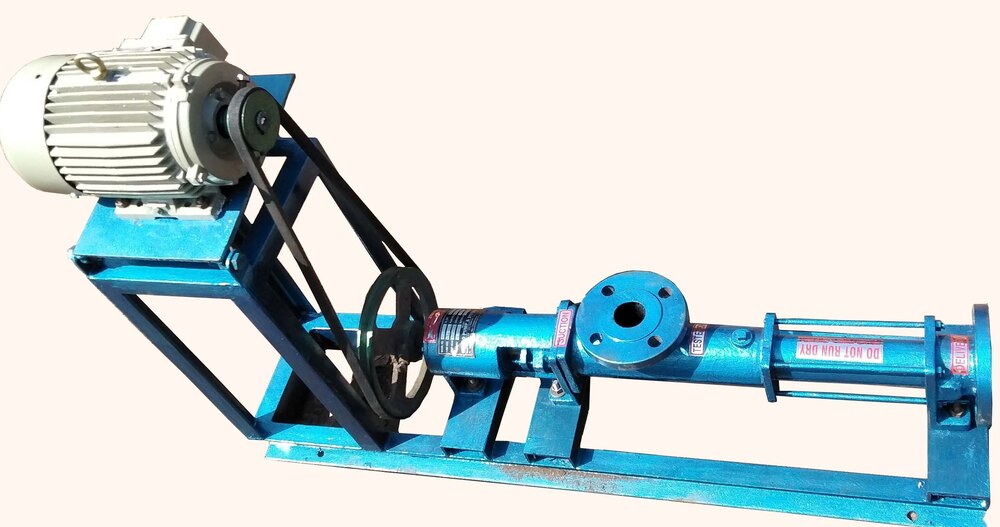
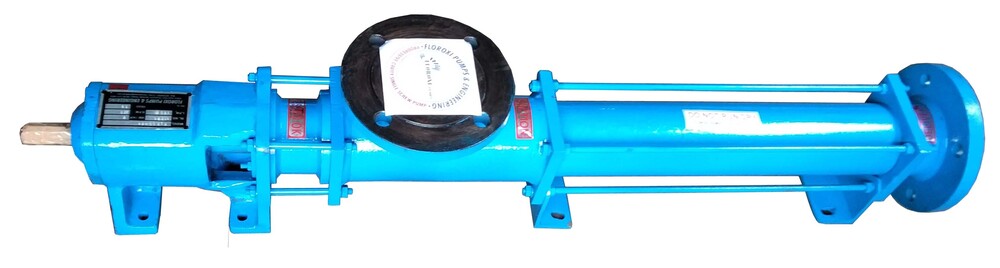
Progressive cavity Sludge Pump
Price 65000 INR/ Piece
MOQ : 1 Piece
Progressive cavity Sludge Pump Specification
- Working Temperature
- -10°C to 80°C
- Voltage
- 380V
- Caliber
- DN65
- Features
- Low Shear, Non-Clogging, High Efficiency
- Max Suction
- 8 meters
- Noise Level
- <65 dB
- Frequency
- 50 Hz
- Inlet/Outlet
- DN65 / DN65
- Discharge Pressure
- 12 Bar
- Theory
- Progressive Cavity
- Head Size
- 15-60 meters
- Speed
- 260-400 RPM
- Mounting Type
- Base Mounted
- Control System
- Manual/Automatic
- Flow Rate
- 10-50 m³/h
- Material
- Cast Iron/Stainless Steel
- Structure
- Horizontal
- Power
- 5.5 kW
- Standard
- ISO 9001
- Fuel Type
- Electric
- Pressure
- Max 1.2 MPa
- Application
- Wastewater, Sludge, Sewage
- Suction Type
- Positive Displacement
- Seals Type
- Mechanical Seal
- Priming
- Self-Priming
- Pump Type
- Single Screw
- Capacity
- Varies by Model
- Environmental Compliance
- Meets International Standards
- Seal Material
- Carbon/Ceramic or Tungsten Carbide
- Maintenance
- Simple Design for Easy Maintenance
- Flow Direction
- Bi-Directional
- Rotor Material
- Alloy Steel/SS316
- Drive Type
- Direct Coupled or Belt Driven
- Painting/Coating
- Epoxy Coated for Corrosion Resistance
- Protection Class
- IP55 Motor
- Stator Material
- NBR, EPDM, FKM
- Port Connection
- Flanged or Threaded
- Solids Handling
- Up to 10% by volume
- Installation Orientation
- Horizontal or Vertical
- Viscosity Range
- Up to 100,000 cP
- Life Cycle
- Extended Wear Life
Progressive cavity Sludge Pump Trade Information
- Minimum Order Quantity
- 1 Piece
- Supply Ability
- 10 Pieces Per Month
- Delivery Time
- 1 Week
About Progressive cavity Sludge Pump
Technical Specifications:
|
Capacity (Flow Rate) |
Up to 60000 LPH |
|
Discharge Pressure |
12 Bar, 24 Bar & 36 Bar |
|
Viscosity |
100000CST |
|
Temperature |
150Deg C |
Application Field:
Molasses, Paint, Paper Pulp, Printing Ink,Resins, Sewage Sludge, Vegetable Oil, gum, sludge, yeast, Petroleum Jelly,Acidic and Alkaline Slurry , Alum, Bentonite Slurry , Black Liquor, caseinSlurry , Clay Slurry, Coating Mix, Detergent Slurry, Electroplating Solution,Emulsions, Ferrite Slurry, fuel Oil Sludge, Glue, Grout Mix, soap stock, sugarJuice, Varnish Etc.
Robust and Reliable Construction
This sludge pump utilizes Alloy Steel or SS316 for rotors and stators made from NBR, EPDM, or FKM, ensuring durability and compatibility with aggressive fluids. The epoxy coating offers corrosion resistance while precision mechanical seals minimize leakage. Its cast iron or stainless steel structure provides strength and longevity, making it suitable for challenging sludge transfer tasks.
Efficient Performance Across Applications
Designed for wastewater management, sewage conveyance, and industrial sludge handling, the pump can process highly viscous materials (up to 100,000 cP) and large solid content. The positive displacement mechanism ensures consistent flow rates (1050 m/h) and discharge pressures up to 12 bar. Its low shear and non-clogging features preserve fluid integrity and prevent downtime.
User-Friendly Operation and Maintenance
The pumps simple design allows for straightforward access and quick part replacement. With options for manual or automatic control, installation flexibility (horizontal or vertical), and bi-directional flow, the system adapts easily to various site requirements. Features like self-priming and base-mounted construction promote operational convenience and safety.
FAQs of Progressive cavity Sludge Pump:
Q: How does the progressive cavity sludge pump handle high-viscosity and solid-laden fluids?
A: The pump employs a single screw (rotor) mechanism within a stator to create sealed cavities, effectively transporting fluids with viscosities up to 100,000 cP and solids content up to 10% by volume without clogging or excessive shear.Q: What materials are used in the rotor and stator, and how do they affect pump performance?
A: Rotors are available in Alloy Steel or SS316, and stators use NBR, EPDM, or FKM. These material choices ensure chemical compatibility, abrasion resistance, and long operating life under demanding conditions.Q: When is routine maintenance required, and what does it involve for this pump?
A: Routine maintenance can be performed periodically based on operating hours or fluid properties. The pumps simple structure allows for quick access to the rotor, stator, and seals, facilitating cleaning and replacement as needed.Q: Where can this pump be installed, and what are the available orientations?
A: It supports both horizontal and vertical installation, making it adaptable for confined spaces or specific site layouts in industrial, municipal, or wastewater treatment plants.Q: What processes and applications are suitable for this sludge pump?
A: The pump is ideal for processes involving sludge, sewage, wastewater transfer, and other viscous fluid applications. Its design ensures reliable operation across various industries, including water treatment and manufacturing.Q: How is the pump protected against environmental factors and corrosion?
A: The pump features an epoxy coating that resists corrosion, an IP55 motor for dust and water protection, and mechanical seals (carbon/ceramic or tungsten carbide) to safeguard internal components.Q: What are the main benefits of using this progressive cavity pump for sludge transfer?
A: Key benefits include long wear life, low noise operation, high efficiency, non-clogging performance, easy maintenance, and compliance with international standards for environmental and operational safety.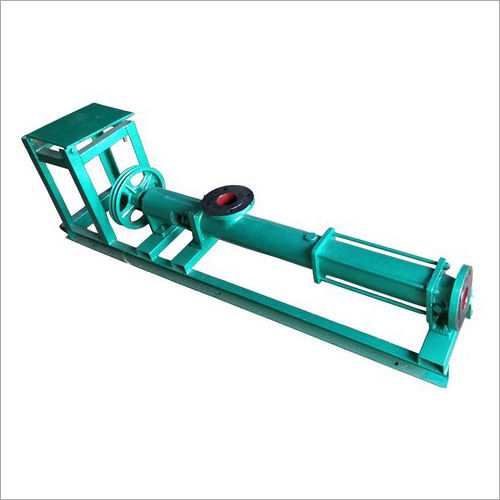
Tell us about your requirement

Price:
Quantity
Select Unit
- 50
- 100
- 200
- 250
- 500
- 1000+
Additional detail
Mobile number
Email

More Products in Industrial Pump Category
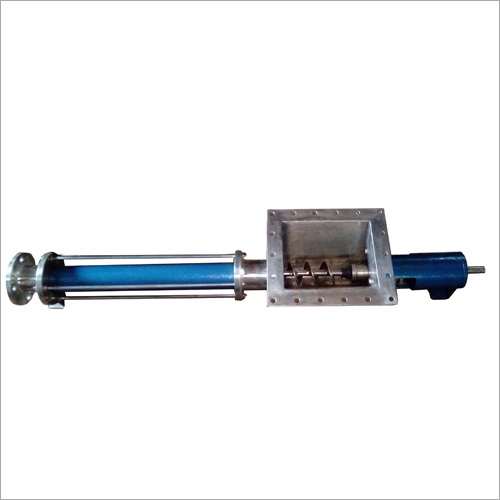
Food Grade Screw Pump
Minimum Order Quantity : 1 Piece
Material : SS304 / SS316 Food Grade Stainless Steel
Discharge Pressure : Max 12 bar
Head Size : 10 to 120 meters
Structure : Other, Single Screw / Progressive Cavity
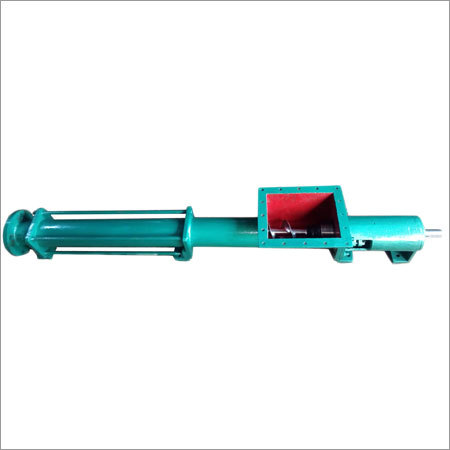
Hopper type Screw Pump
Minimum Order Quantity : 1 Piece
Material : Stainless Steel, Cast Iron, Alloy Steel
Discharge Pressure : Up to 10 Bar
Head Size : Up to 72 meters
Structure : Other, Hopper with Feed Screw, Stator, Rotor
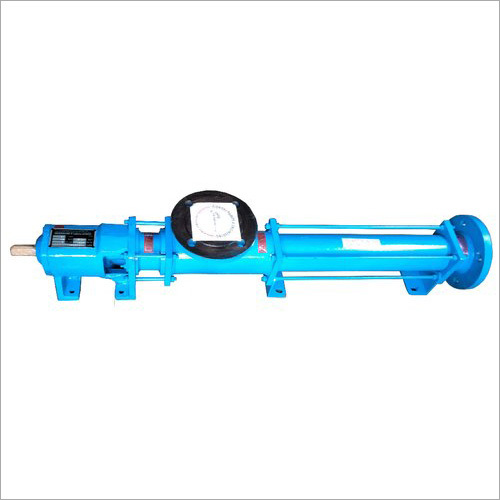
Floroxi ROTO Pump
Minimum Order Quantity : 1 Piece
Material : Cast Iron / Stainless Steel
Discharge Pressure : Up to 24 bar
Head Size : Up to 24 bar
Structure : Other, Horizontal / Vertical

 Send Inquiry


Our Products


2258A, Awas Vikas Hanspuram, Naubasta, Kanpur - 208021, Uttar Pradesh, India

Mr Jaychandra Sharma
(Proprietor)
Mobile :08071792881
 Send Inquiry
 Send SMS
 Call Me Free
Developed and Managed by Infocom Network Private Limited.
 English
 Spanish
 French
 German
 Italian
 Chinese (Simplified)
 Japanese
 Korean
 Arabic
 Portuguese