
Call us now :08045816426
 Send Inquiry
 Send Inquiry
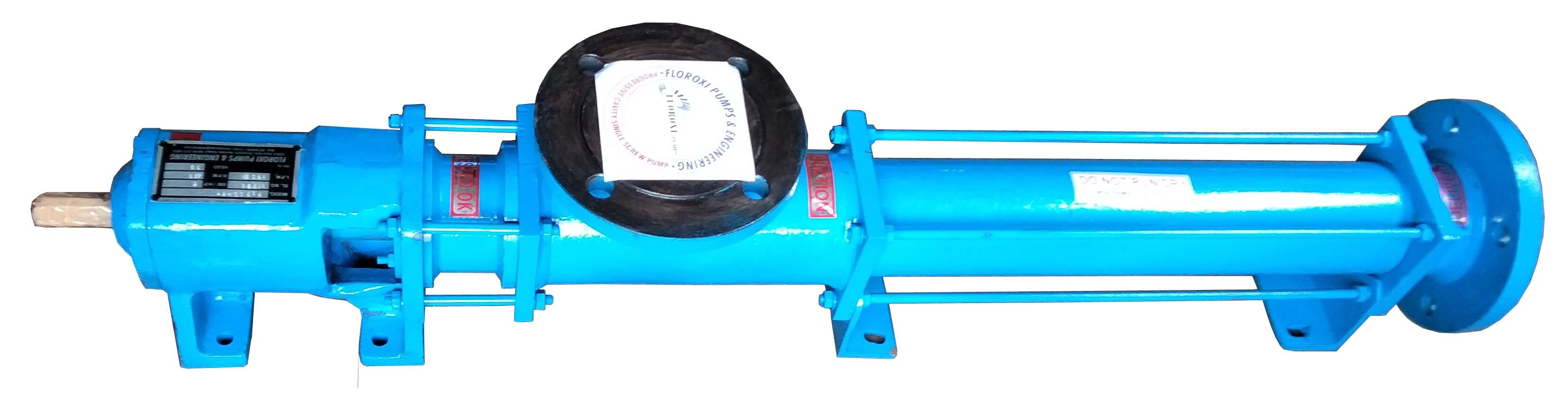
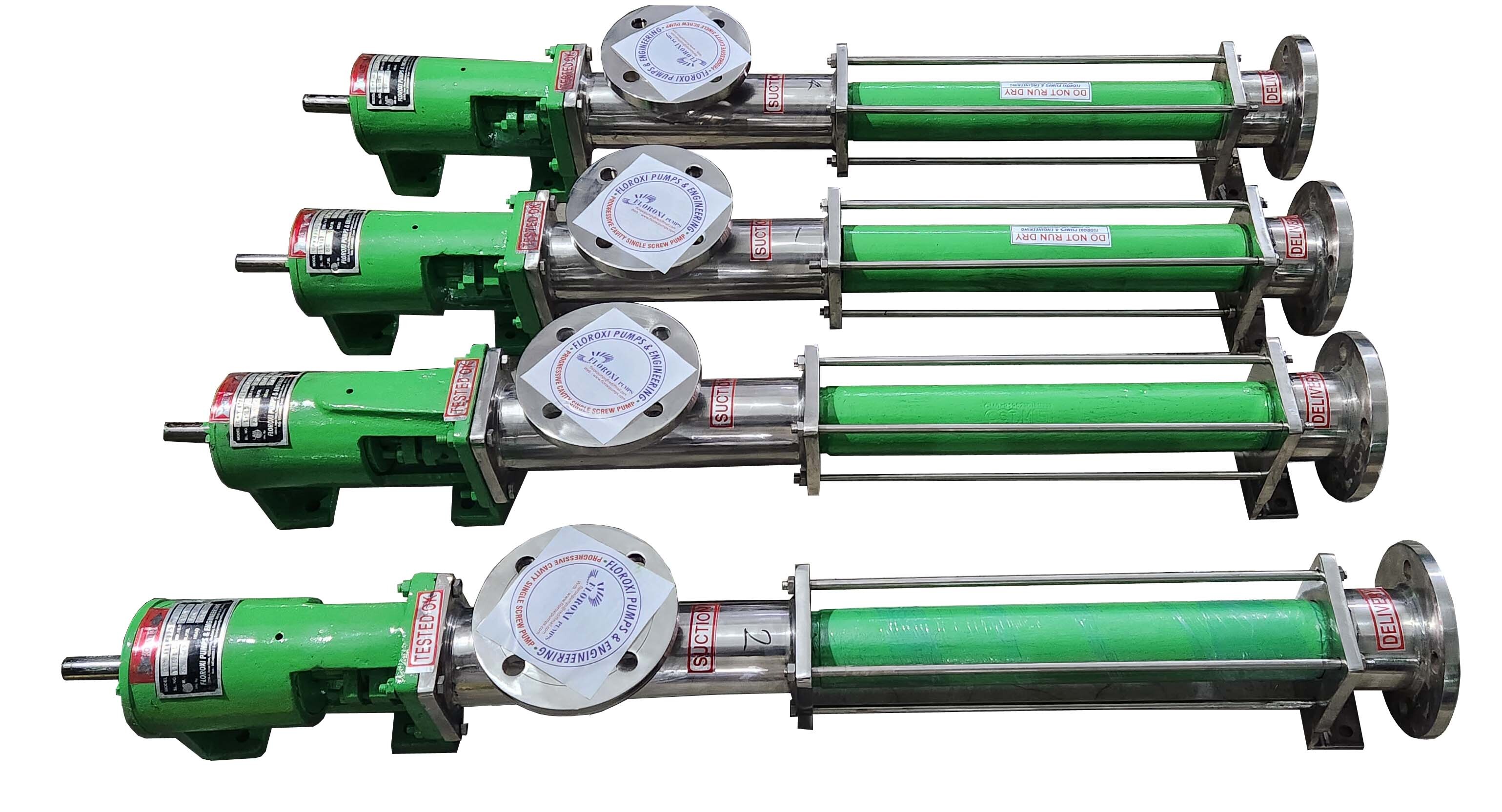
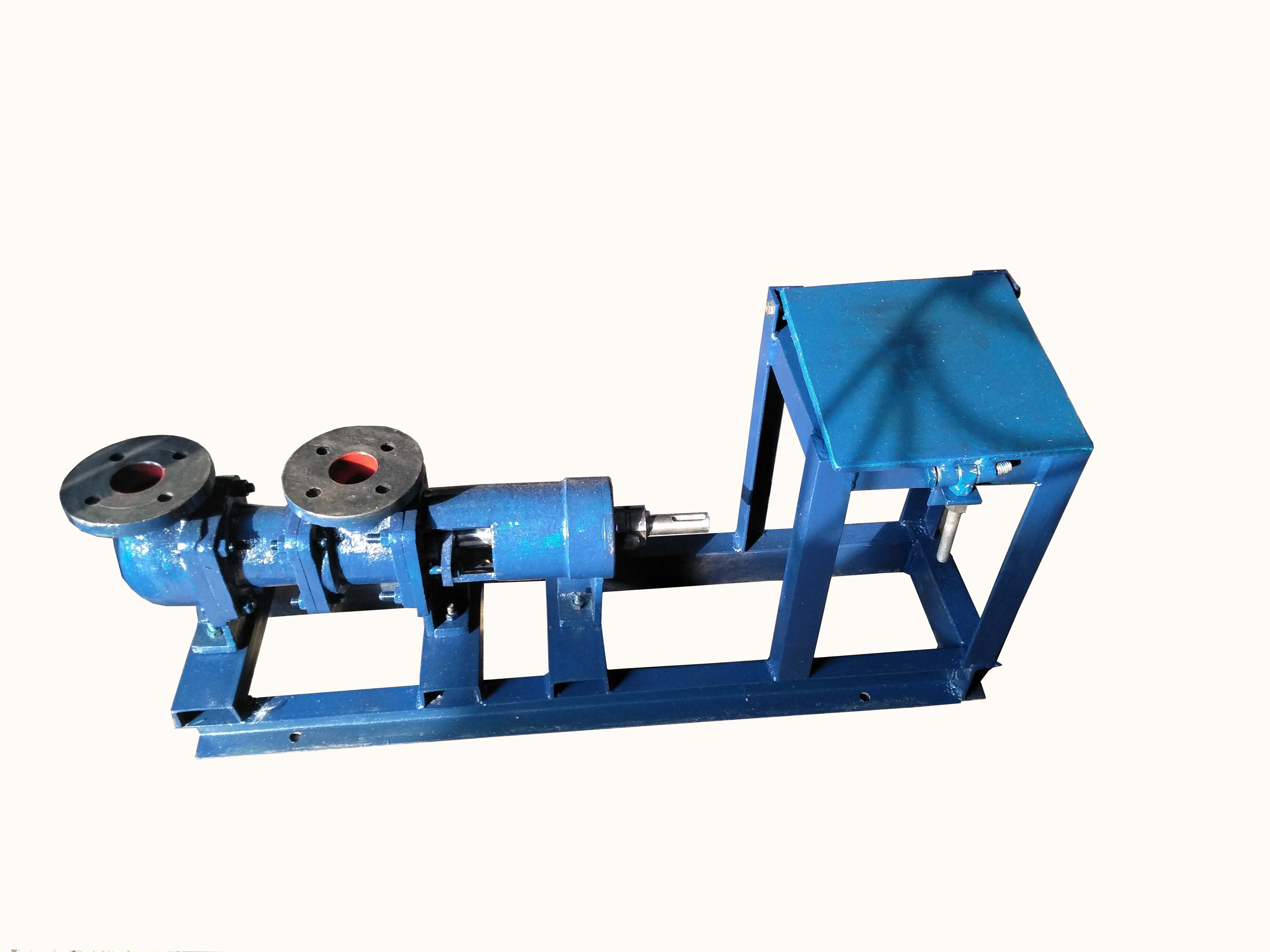
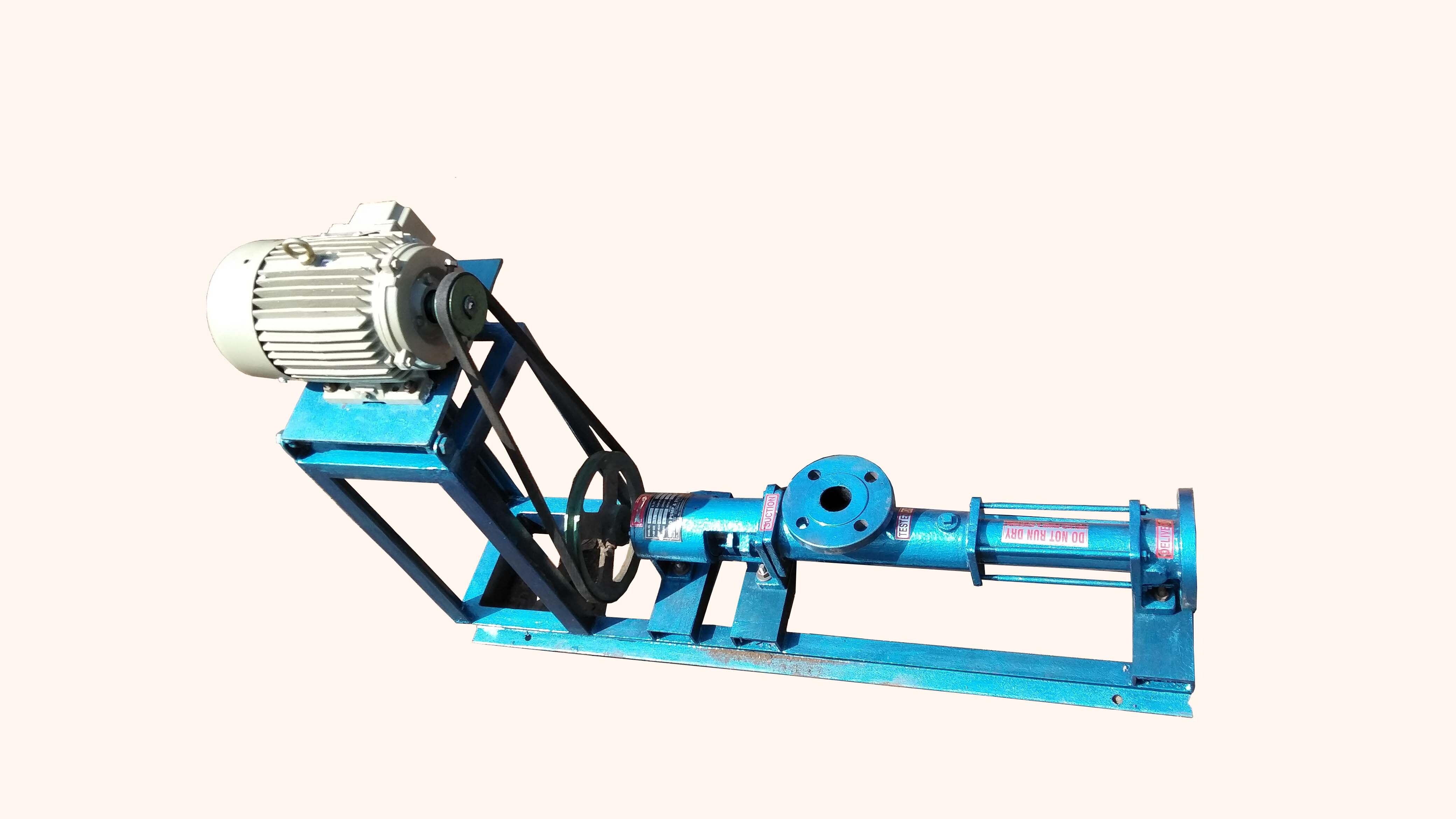
Progressive Cavity Pumps
MOQ : 1 Piece
Progressive Cavity Pumps Specification
- Max Suction
- As per Requirement
- Flow Rate
- As per Requirement
- Inlet/Outlet
- As per Requirement
- Head Size
- As per Requirement
- Material
- As per Requirement
- Structure
- Screw Pump
- Product Type
- Grouting / Transfering
- Pressure
- High Pressure
- Usage
- Other
- Seals Type
- As per Requirement
Progressive Cavity Pumps Trade Information
- Minimum Order Quantity
- 1 Piece
- Supply Ability
- 100 Pieces Per Month
- Delivery Time
- 1 Week
- Main Domestic Market
- All India
About Progressive Cavity Pumps
Technical Specifications:
|
Capacity (Flow Rate) |
Up to 60000 LPH |
|
Discharge Pressure |
12 Bar, 24 Bar & 36 Bar |
|
Viscosity |
100000CST |
|
Temperature |
150Deg C |
Application Field:
Molasses, Paint, Paper Pulp, Printing Ink,Resins, Sewage Sludge, Vegetable Oil, gum, sludge, yeast, Petroleum Jelly,Acidic and Alkaline Slurry , Alum, Bentonite Slurry , Black Liquor, caseinSlurry , Clay Slurry, Coating Mix, Detergent Slurry, Electroplating Solution,Emulsions, Ferrite Slurry, fuel Oil Sludge, Glue, Grout Mix, soap stock, sugarJuice, Varnish Etc.
Versatile Customization for Every Application
Our Progressive Cavity Pumps stand out for their ability to be tailored to any project specification. With adjustable flow rate, pressure range, head size, inlet/outlet dimension, sealing style, and materials, these pumps can be configured to suit nearly any industrial process, ensuring optimal performance and longevity in demanding conditions.
Dependable Performance in Grouting and Transfer
Engineered for applications such as grouting and material transfer, these pumps handle viscous, abrasive, or sensitive materials reliably. Their screw pump structure ensures smooth, pulse-free flow and excellent suction, delivering outstanding results even when managing challenging or corrosive fluids within the construction, mining, and manufacturing sectors.
FAQs of Progressive Cavity Pumps:
Q: How can I select the appropriate progressive cavity pump for my requirements?
A: Selecting the right progressive cavity pump involves assessing your specific needs, such as desired flow rate, required pressure, head size, and the properties of the material to be pumped. Our team can help you customize options for sealing type, material composition, and connection sizes to match your applications demands.Q: What are the main benefits of using a progressive cavity pump in grouting or transfer applications?
A: Progressive cavity pumps provide consistent, low-pulsation flow, high pressure capability, and exceptional handling of abrasive or viscous materials. These features make them ideal for grouting and transferring tasks where precision, reliability, and durability are crucial.Q: When should a screw-type pump structure be chosen over other pump types?
A: A screw-type or progressive cavity pump is most advantageous when dealing with fluids that are either viscous, contain solids, or require gentle handling to avoid material degradation. Their structure allows smooth, consistent transfer, minimizing wear and tear while maintaining product integrity.Q: Where can I purchase progressive cavity pumps in India?
A: You can acquire our progressive cavity pumps from multiple touchpoints throughout India, as we operate as a dealer, distributor, exporter, manufacturer, retailer, supplier, and more. Support and services are readily available nationwide.Q: What is the typical process for installing a progressive cavity pump?
A: Installation generally involves site assessment, connection of the appropriate inlet/outlet fittings according to your system requirements, aligning the pump with your grouting or transfer line, and sealing configuration as specified. Our team can also assist with professional installation and commissioning.Q: How does customization work for material and sealing types?
A: We offer flexibility in selecting pump materials and sealing options, allowing you to choose configurations based on fluid properties, corrosiveness, or temperature requirements. Our experts will guide you through the process to ensure optimal compatibility and performance in your unique operational environment.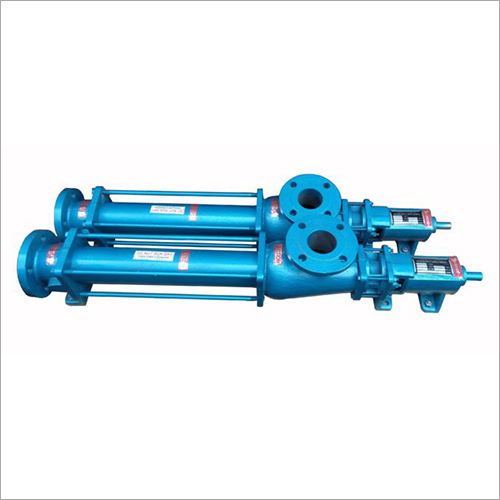
Tell us about your requirement

Price:
Quantity
Select Unit
- 50
- 100
- 200
- 250
- 500
- 1000+
Additional detail
Mobile number
Email

More Products in Progressive Cavity Pump Category
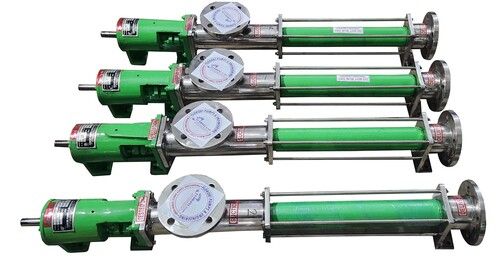
Progressive Cavity Single Screw Pumps
Minimum Order Quantity : 1 Piece
Discharge Pressure : Up to 48 bar
Power : Other, 0.5 HP to 50 HP
Pressure : Other, Up to 48 bar
Capacity : Upto 100 m/h
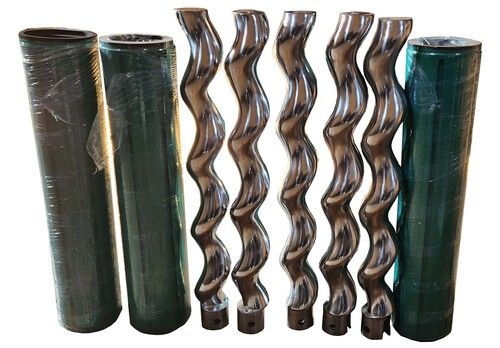
Rotor And Stator for PC Pump
Minimum Order Quantity : 1 Piece
Discharge Pressure : Up to 48 bar (Model dependent)
Power : Other, Dependent on complete pump assembly
Pressure : Other, Up to 48 bar (as per pump series)
Capacity : As per PC Pump design
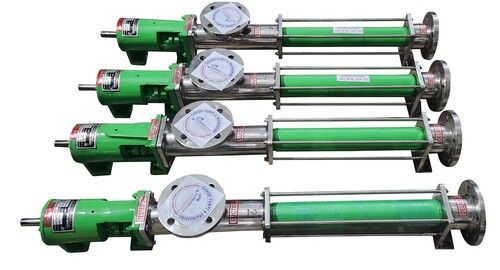
Progressive Cavity Single Screw Pump
Minimum Order Quantity : 1 Number
Discharge Pressure : 6Bar
Power : Electric
Pressure : Medium Pressure
Capacity : 3 Ltr/hr

 Send Inquiry


Our Products


2258A, Awas Vikas Hanspuram, Naubasta, Kanpur - 208021, Uttar Pradesh, India

Mr Jaychandra Sharma
(Proprietor)
Mobile :08045816426
 Send Inquiry
 Send SMS
 Call Me Free
Developed and Managed by Infocom Network Private Limited.
 English
 Spanish
 French
 German
 Italian
 Chinese (Simplified)
 Japanese
 Korean
 Arabic
 Portuguese