
Call us now :08071792881
 Send Inquiry
 Send Inquiry
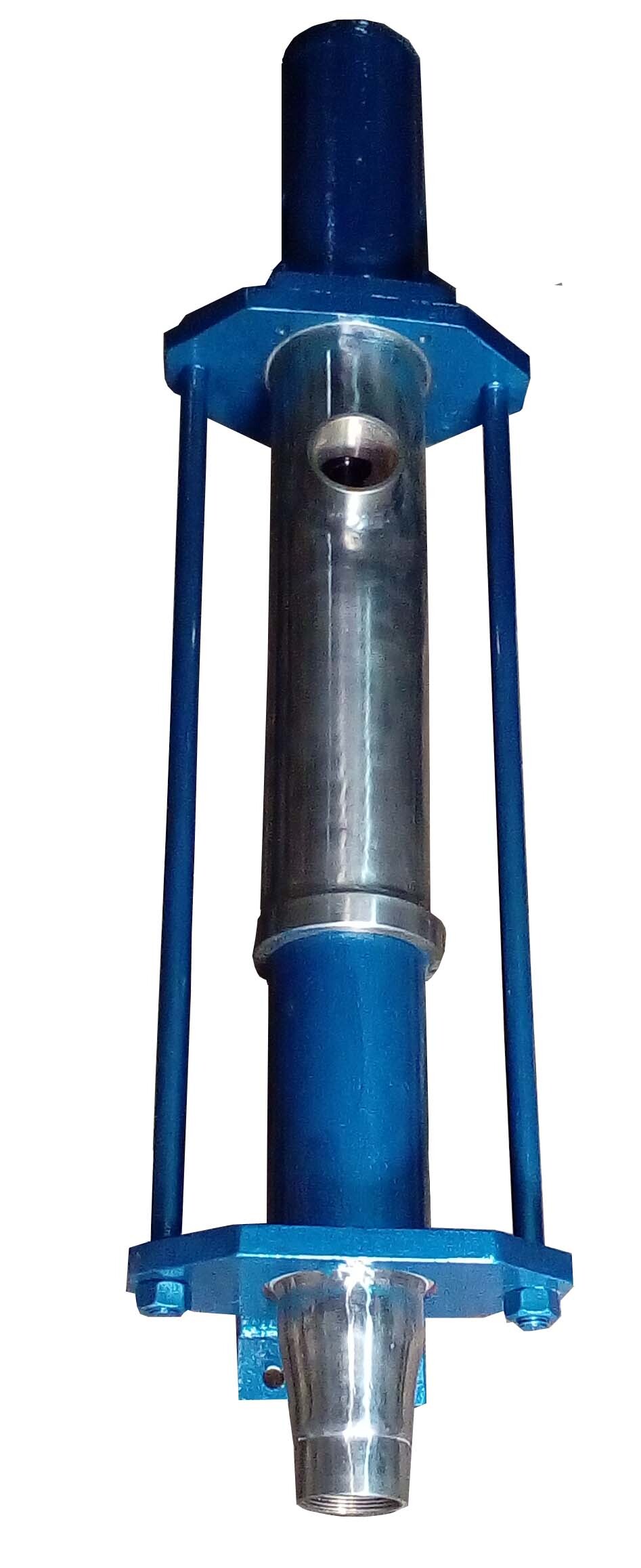
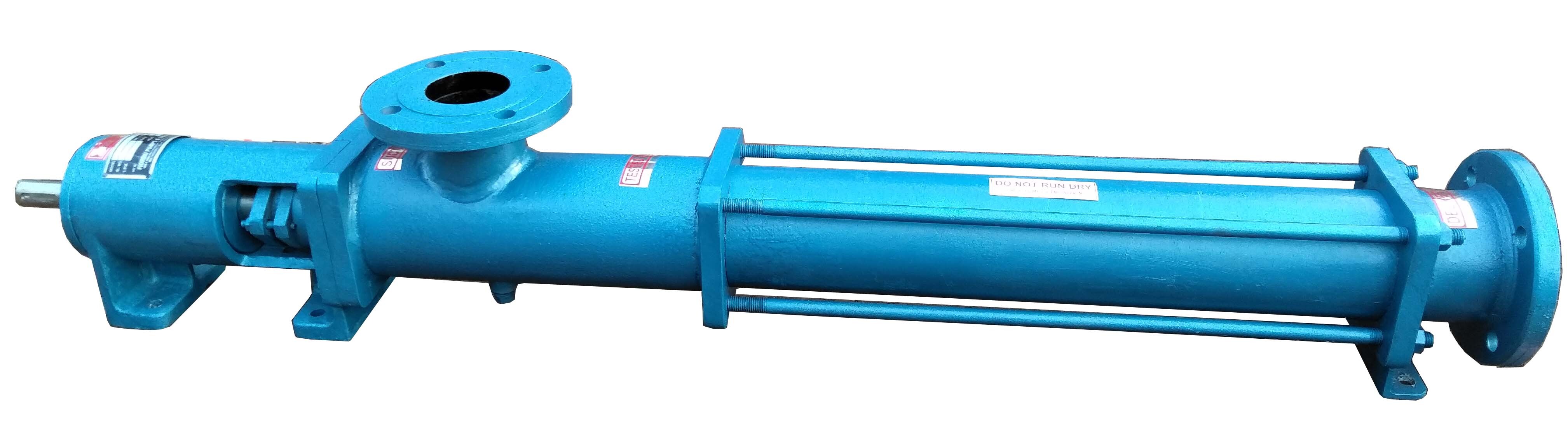
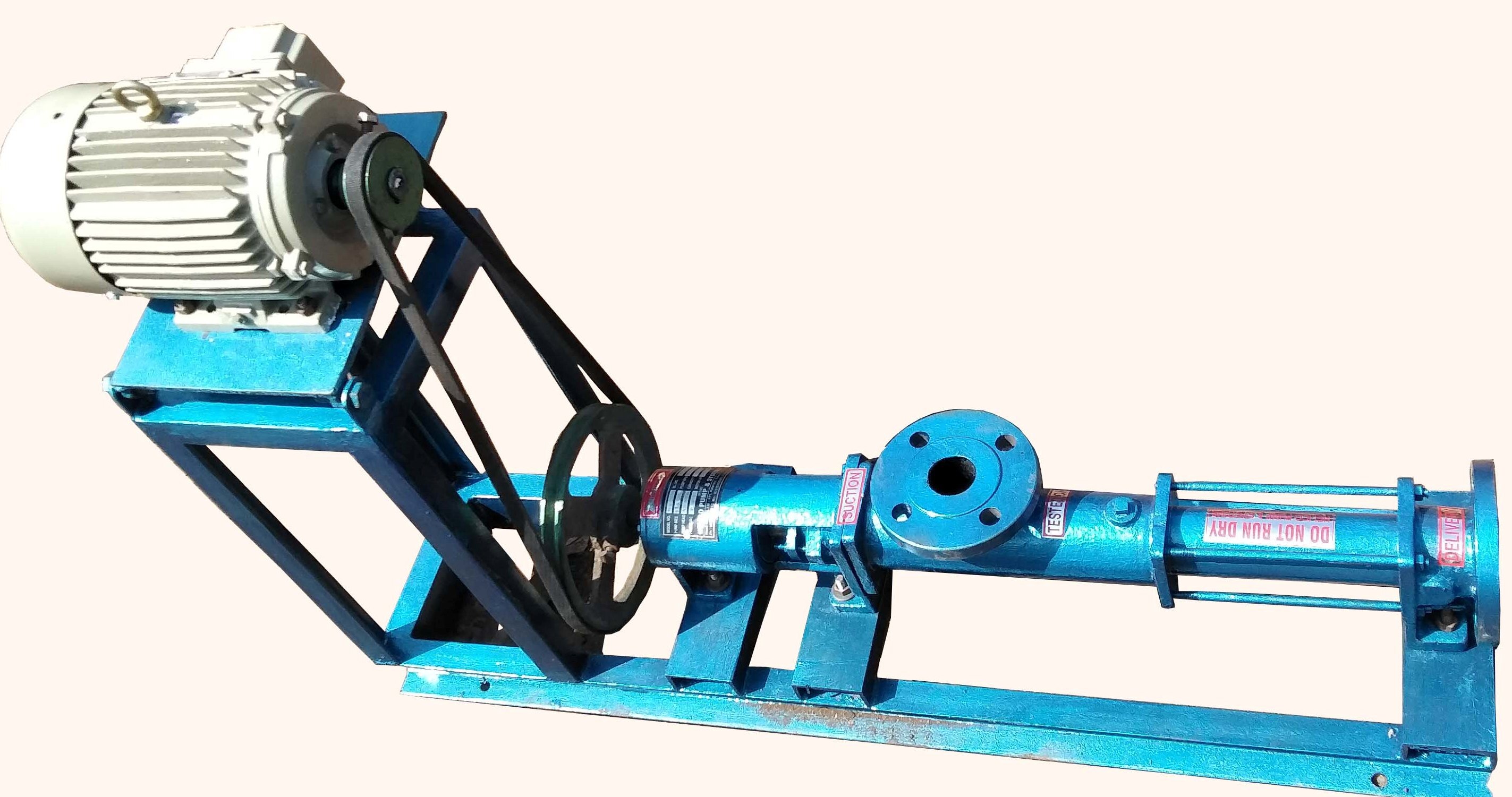
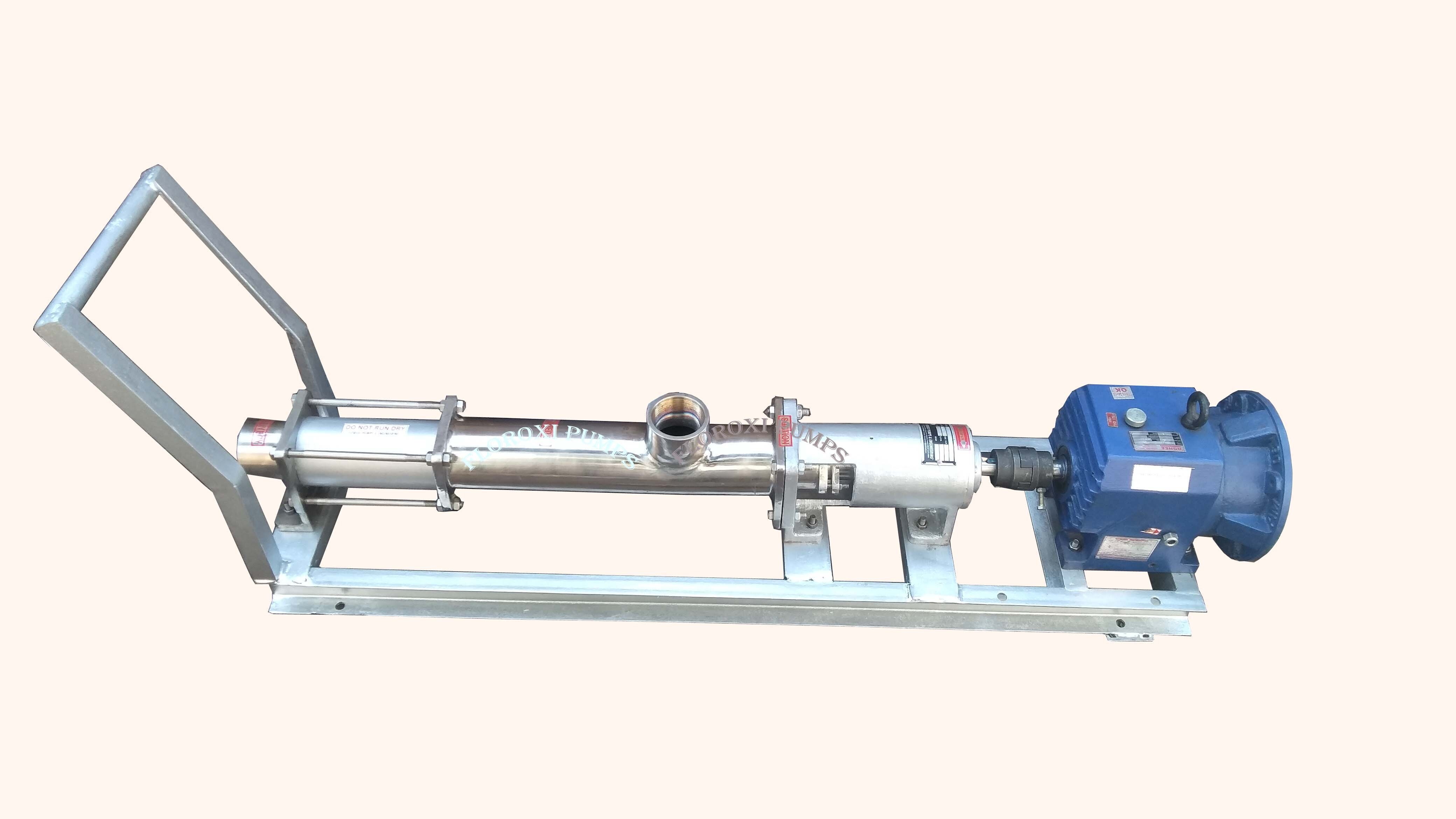
Progressive Cavity Single Screw Pumps
MOQ : 1 Piece
Progressive Cavity Single Screw Pumps Specification
- Speed
- Up to 1500 RPM
- Discharge Pressure
- Up to 48 bar
- Theory
- Progressive Cavity Pump (Single Screw Design)
- Head Size
- Up to 48 bar
- Flow Rate
- Up to 100 m³/h
- Mounting Type
- Baseplate Mounted / Skid Mounted
- Control System
- Manual / Automatic Controls
- Working Temperature
- Up to 120°C
- Voltage
- 220V / 380V / 415V / 440V (customizable)
- Max Suction
- 7 m
- Noise Level
- Low (below 75 dB)
- Frequency
- 50 Hz / 60 Hz
- Inlet/Outlet
- Flanged or Threaded, sizes from 25 mm to 150 mm
- Caliber
- 25 mm to 150 mm
- Features
- Corrosion Resistant, Robust Construction, Easy Maintenance, Continuous Operation
- Material
- Cast Iron / Stainless Steel / Carbon Steel / Alloy Steel
- Structure
- Single Screw Progressive Cavity
- Power
- 0.5 HP to 50 HP
- Standard
- IS: 10805 / EN / ISO
- Fuel Type
- Electric Driven
- Pressure
- Up to 48 bar
- Usage
- Industrial, Wastewater, Food Processing, Chemical Transfer
- Application
- Sludge, Effluent, Viscous Fluids, Oil, Slurry, Food Paste, Chemical Liquids
- Suction Type
- Positive Suction
- Seals Type
- Mechanical Seal / Gland Packing
- Priming
- Self Priming
- Pump Type
- Single Screw Progressive Cavity Pump
- Capacity
- Upto 100 m³/h
- Rotor/Stator Material
- Hard Chrome Plated / Nitrile / PTFE / EPDM options
- Connection Standard
- ANSI / DIN / JIS
- Drive Type
- Close Coupled / Bare Shaft / Geared Motor Driven
- Direction of Rotation
- Clockwise (Standard); Reversible on request
- Solid Handling
- Up to 10% by volume
- Viscosity Range
- Up to 1,00,000 cP
- Protection Class
- IP 55/65 on Request
- Lubrication
- Grease Lubricated Bearings
Progressive Cavity Single Screw Pumps Trade Information
- Minimum Order Quantity
- 1 Piece
- Supply Ability
- 10 Pieces Per Month
- Delivery Time
- 1 Week
About Progressive Cavity Single Screw Pumps
Technical Specifications:
|
Capacity (Flow Rate) |
Up to 60000 LPH |
|
Discharge Pressure |
12 Bar, 24 Bar & 36 Bar |
|
Viscosity |
100000CST |
|
Temperature |
150Deg C |
Application Field:
Molasses, Paint, Paper Pulp, Printing Ink,Resins, Sewage Sludge, Vegetable Oil, gum, sludge, yeast, Petroleum Jelly,Acidic and Alkaline Slurry , Alum, Bentonite Slurry , Black Liquor, caseinSlurry , Clay Slurry, Coating Mix, Detergent Slurry, Electroplating Solution,Emulsions, Ferrite Slurry, fuel Oil Sludge, Glue, Grout Mix, soap stock, sugarJuice, Varnish Etc.
Versatile Material Compatibility
Select from stator and rotor materials such as hard chrome plated, nitrile, PTFE, or EPDM to ensure optimal chemical resistance and longevity, tailored to your specific industrial fluids. This versatility makes the pump suitable for handling everything from food pastes to chemical slurries.
Precision Engineering for Challenging Fluids
With the ability to process fluids up to 100,000 cP viscosity and 10% solids by volume, these progressive cavity pumps maintain consistent flow and pressure, even with highly abrasive or thick materials. The single-screw design ensures gentle performance, ideal for shear-sensitive applications.
Flexible Installation and Operation
Offered with multiple mounting methods (baseplate, skid), connection standards (ANSI/DIN/JIS), drive types, and customizable controls (manual or automatic), these pumps integrate seamlessly into new or existing plant infrastructure, supporting capacities up to 100 m/h and discharge heads up to 48 bar.
FAQs of Progressive Cavity Single Screw Pumps:
Q: How do I select the appropriate rotor and stator material for my application?
A: Choose based on fluid properties: Hard chrome plated is ideal for abrasive slurries; nitrile suits oils and mild chemicals; PTFE is excellent for aggressive chemicals; EPDM works with food, water, and effluent. Assess your fluids compatibility and operating conditions before selecting material.Q: What are the benefits of using a progressive cavity single screw pump for viscous or solid-laden fluids?
A: These pumps provide gentle, continuous flow without pulsation, preventing shear damage to sensitive media. Their robust structure and positive suction allow reliable transfer of thick, solids-laden, or abrasive fluids up to 100,000 cP viscosity and 10% solids, maintaining process efficiency.Q: When should I request the reversible rotation option?
A: Reversible rotation is recommended if your process requires bi-directional pumping, such as emptying tanks or switching flow direction for maintenance. Specify this requirement during selection to ensure the pump is configured for safe and effective reversible operation.Q: Where can these pumps be installed and how are they mounted?
A: Installations are common in industries like chemical, food processing, wastewater, and oil & gas. Pumps can be baseplate or skid-mounted to match your facilitys layout, and their connection standards (ANSI, DIN, JIS) ensure compatibility with existing systems.Q: What is the maintenance process for these pumps?
A: Routine maintenance involves inspecting seals, bearings, and lubrication points. The pumps design allows easy disassembly for rotor or stator replacement. Use recommended grease for bearings and regularly check for wear and leaks to maximize service life.Q: How are flow and pressure controlled during operation?
A: Flow rates up to 100 m/h and pressure up to 48 bar are managed by regulating pump speed and drive selection. Manual or automatic control systems are available, allowing tailored operation depending on process needs and desired output.Q: What are the power and voltage options for progressive cavity single screw pumps?
A: Pumps are electric-driven, with power ratings from 0.5 HP to 50 HP, and voltage customizable to 220V, 380V, 415V, or 440V as required. This adaptability ensures compatibility with global electrical standards and site-specific requirements.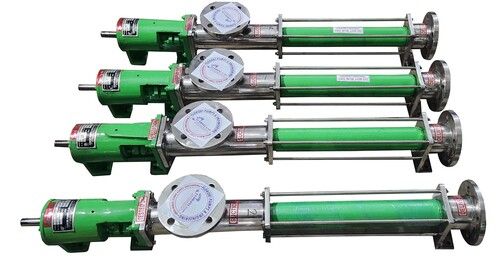
Tell us about your requirement

Price:
Quantity
Select Unit
- 50
- 100
- 200
- 250
- 500
- 1000+
Additional detail
Mobile number
Email

More Products in Progressive Cavity Pump Category
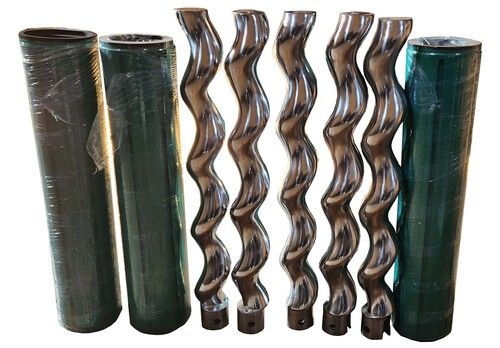
Rotor And Stator for PC Pump
Minimum Order Quantity : 1 Piece
Material : Rotor: Alloy Steel (Hardened & Chrome Plated); Stator: Nitrile Rubber / EPDM / Viton / Natural Rubber bonded to MS/SS tube
Head Size : As per PC Pump design/specification
Pressure : Other, Up to 48 bar (as per pump series)
Flow Rate : As per PC Pump specification
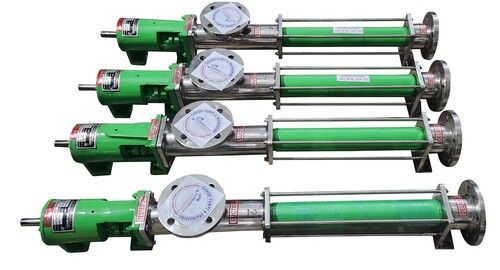
Progressive Cavity Single Screw Pump
Minimum Order Quantity : 1 Number
Material : CI/SS
Head Size : 50Mtr
Pressure : Medium Pressure
Flow Rate : 3000LPH
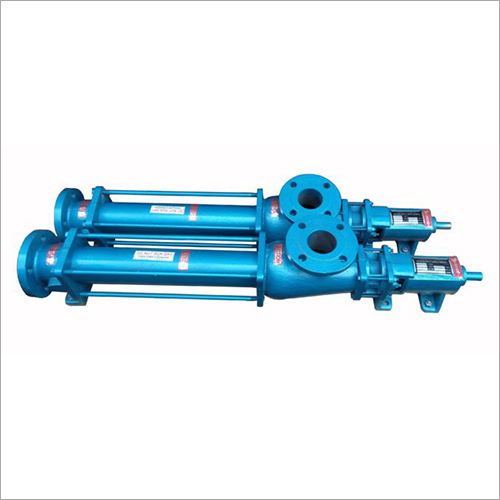
Progressive Cavity Pumps
Minimum Order Quantity : 1 Piece
Material : As per Requirement
Head Size : As per Requirement
Pressure : High Pressure
Flow Rate : As per Requirement

 Send Inquiry


Our Products


2258A, Awas Vikas Hanspuram, Naubasta, Kanpur - 208021, Uttar Pradesh, India

Mr Jaychandra Sharma
(Proprietor)
Mobile :08071792881
 Send Inquiry
 Send SMS
 Call Me Free
Developed and Managed by Infocom Network Private Limited.
 English
 Spanish
 French
 German
 Italian
 Chinese (Simplified)
 Japanese
 Korean
 Arabic
 Portuguese