
Call us now :08045816426
 Send Inquiry
 Send Inquiry
Slurry Pump
MOQ : 1 Piece
Slurry Pump Specification
- Caliber
- 80-100 mm
- Voltage
- 380V / 415V
- Head Size
- 10-80 m
- Frequency
- 50 Hz / 60 Hz
- Inlet/Outlet
- 100 mm / 80 mm
- Flow Rate
- 35-200 m/h
- Working Temperature
- Up to 80C
- Discharge Pressure
- 80-200 psi
- Speed
- 980-2900 rpm
- Max Suction
- 8 m
- Control System
- DOL / Star-Delta Starter
- Mounting Type
- Horizontal
- Features
- Corrosion Resistant, Abrasion Resistant, Heavy Duty Construction
- Noise Level
- 85 dB
- Theory
- Centrifugal Pump
- Material
- High-Chrome Alloy / Cast Iron
- Structure
- Single Stage Pump
- Power
- 7.5 kW 110 kW
- Standard
- ISO 9001 Certified
- Fuel Type
- Electric
- Pressure
- Up to 2.0 MPa
- Usage
- Industrial Slurry Handling
- Application
- Mining, Metal, Coal, Power Plant, Chemical
- Suction Type
- Horizontal Suction
- Seals Type
- Mechanical Seal / Packing Seal
- Priming
- Self-Priming / Manual Priming
- Pump Type
- Slurry Pump
- Capacity
- 35-200 m/h
- Bearing Type
- Heavy-duty Single / Double Row
- Impeller Material
- High Chromium Alloy
- Drive Type
- Electric Motor / Diesel Engine Optional
- Seal Arrangement
- Expeller Seal
- Weight
- Depends on Model (approx. 350 kg - 1200 kg)
- Flange Standard
- ANSI / DIN
- Max Particle Size
- up to 50 mm
- Rotation Direction
- Clockwise (from drive end)
- Service Life
- Long Service Life under Harsh Conditions
- Impeller Type
- Closed / Semi-Open
- Cooling Method
- Water / Air Cooling
- Shaft Sleeve
- Ceramic Coated / Hardened Steel
- Surface Treatment
- Anti-corrosive Paint
Slurry Pump Trade Information
- Minimum Order Quantity
- 1 Piece
- Supply Ability
- 10 Pieces Per Month
- Delivery Time
- 1 Week
About Slurry Pump
We have marked a distinct position in the domain by manufacturing and supplying Slurry Pump. This pump is ideal for transporting fluid containing highly abrasive solids. To manufacture this pump, our expert workforce uses best quality mild steel and cast iron. It has a heavy duty design with a single stage axial inlet. Slurry Pump is also suitable for sand water mixtures and other related slurry. We can customize this pump for clients in different specifications as per their requirements.
Features:
- Self priming pump
- Oil-free air for a sustainable operation
- Less noise and vibration
Optimized Performance for Demanding Environments
Engineered with abrasion-resistant high-chrome alloys and available with closed or semi-open impellers, this slurry pump is tailored for industrial operations where reliability and longevity are crucial. Its design ensures efficient handling of abrasive, corrosive, or high-solid-content slurries commonly found in mining and heavy process industries.
Versatility Across Applications
Suitable for a broad range of sectorsincluding mining, coal, power plants, and chemical industriesthis pump accommodates different sealing arrangements, drive types, and cooling methods. Its flexibility enables adaptation to specific operational needs, ensuring consistent performance and low maintenance in various industrial settings.
Key Features and Specifications
Supporting inlet/outlet sizes of 100 mm/80 mm, this centrifugal pump delivers a maximum head of 80 m and discharge pressure up to 200 psi. Anti-corrosive paint protects against harsh environments, and the robust construction allows for high flow rates, handling up to 200 m/h at working temperatures up to 80C.
FAQs of Slurry Pump:
Q: How does the impeller design benefit slurry handling efficiency?
A: The pump is equipped with closed or semi-open impeller types made from high-chromium alloy. This design enhances the movement of abrasive or high-solid-content slurries, reduces clogging, and ensures optimum efficiency while minimizing wear for long-term use in harsh industrial environments.Q: What applications is this slurry pump best suited for?
A: This pump is ideal for slurry handling in industries such as mining, metallurgy, coal processing, power generation, and chemicals. Its robust materials and heavy-duty construction allow it to process abrasive, corrosive, and high-density slurries efficiently.Q: When should I choose water cooling versus air cooling for the bearing system?
A: Water cooling is preferred in high-temperature or continuous operation environments for better heat dissipation, while air cooling works well for moderate-duty or intermittent use. Selecting the cooling method depends on operational temperature, load, and environmental conditions.Q: Where can this slurry pump be installed and what are mounting requirements?
A: Designed for horizontal mounting, this pump suits industrial facilities such as mines, processing plants, or chemical plants. It should be installed on a stable, level platform with secure connections to minimize vibration and enable alignment with electric motor or diesel engine drives.Q: What is the process for priming this pump before operation?
A: This slurry pump supports both self-priming and manual priming methods. Ensure the suction line is filled with fluid before startup if manual priming is required. For self-priming units, follow the manufacturers guidelines for initial startup to guarantee proper suction and avoid dry running.Q: How does the anti-corrosive paint and high-chrome alloy material extend service life?
A: The high-chrome alloy impeller and anti-corrosive paint protect against chemical attack and abrasive wear, while robust construction elements help the pump withstand harsh operating conditions, resulting in reduced maintenance frequency and longer operational lifespan.Q: What are the advantages of having multiple seal options (mechanical seal or packing seal)?
A: Multiple seal options let users choose based on operational needs: mechanical seals offer superior leak prevention and require less maintenance, whereas packing seals are cost-effective and straightforward to replace, enabling flexible adaptation to the slurrys composition and pressure.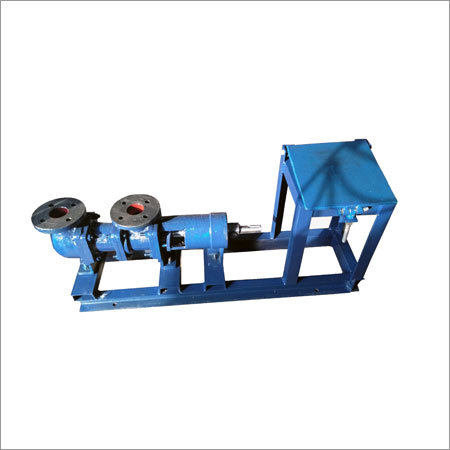
Tell us about your requirement

Price:
Quantity
Select Unit
- 50
- 100
- 200
- 250
- 500
- 1000+
Additional detail
Mobile number
Email

More Products in Slurry Pump Category
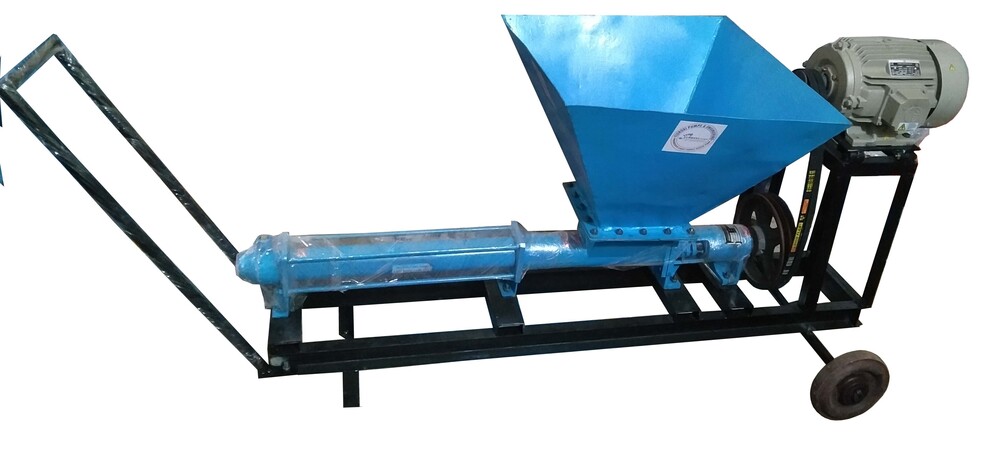
Cement Slurry Screw Pump
Price 65000.00 INR / Piece
Minimum Order Quantity : 1 Piece
Flow Rate : 2M3/HR
Material : Cast Iron / Stainless Steel
Speed : 200280 RPM
Discharge Pressure : 24BAR

 Send Inquiry


Our Products


2258A, Awas Vikas Hanspuram, Naubasta, Kanpur - 208021, Uttar Pradesh, India

Mr Jaychandra Sharma
(Proprietor)
Mobile :08045816426
 Send Inquiry
 Send SMS
Developed and Managed by Infocom Network Private Limited.
 English
 Spanish
 French
 German
 Italian
 Chinese (Simplified)
 Japanese
 Korean
 Arabic
 Portuguese